Your Limits, Their Drive
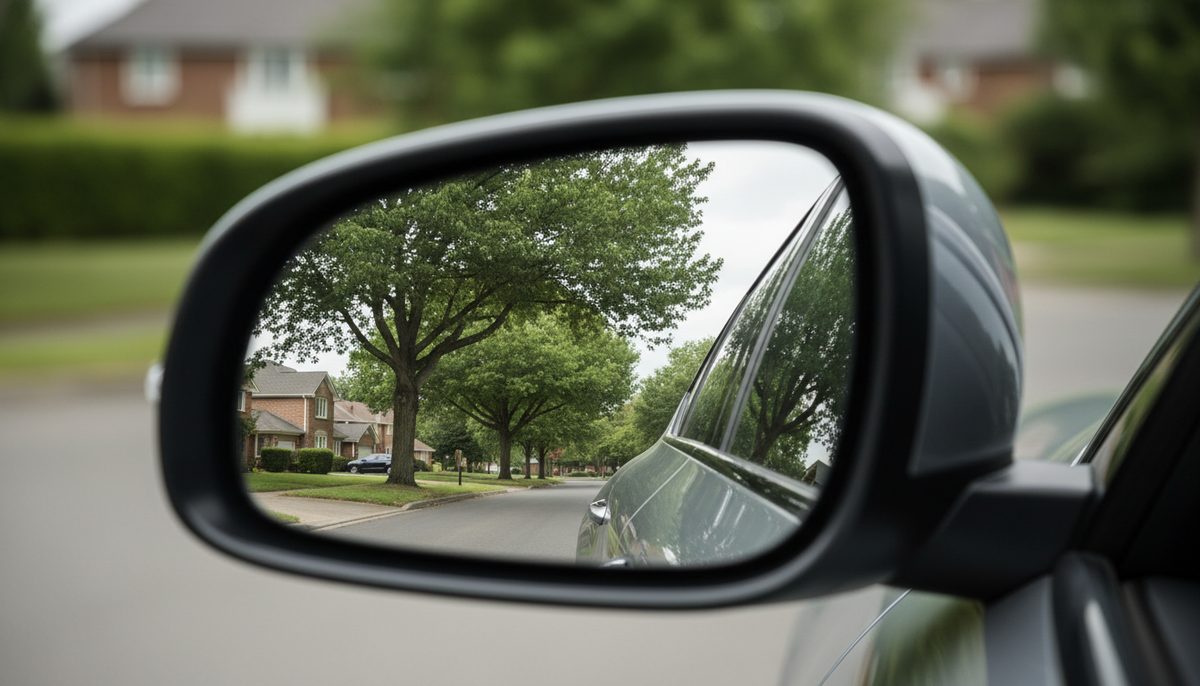
Lending a car is an ordinary act of everyday life and almost nobody thinks about insurance before doing it. If you carry minimum limits, it is worth two minutes of thought, because the coverage that responds is yours.
The basic principle
Coverage generally follows the vehicle. If someone drives your car with your permission and causes an accident, it is typically your policy and your limits that respond first — not theirs.
How this works in detail varies between policies, so ask your carrier how permissive use is handled under yours. Anyone formally excluded by a named driver exclusion is not covered at all, which is what an exclusion does.
What that means at minimum limits
Three consequences worth knowing before you hand over the keys.
The same rules, statewide, are in the Auto World Insurance Services guide to California's 30/60/15 minimum insurance limits.
Your ceiling is their ceiling. Whatever your limits are, that is what stands behind their driving. If the claim exceeds them, the exposure runs back toward the policy — and potentially toward you.
The claim attaches to your policy. Which can mean a surcharge at your renewal, for something you were not driving.
Your car is not covered either. On a liability-only policy, if your borrower damages your vehicle, there is no collision coverage to repair it. This is the one people are most surprised by — the friend crashes your car, you have no coverage for your own car, and the friend may or may not be able to pay for it.
Who counts as a borrower and who does not
The line that matters is between an occasional borrower and someone with regular access. A household member who drives your car routinely should be listed on the policy, not treated as a borrower — carriers ask about household members and verify it, and an unlisted regular driver creates both a premium correction and a potential coverage argument.
If a licensed household member genuinely will not drive the vehicle, ask about a formal named driver exclusion rather than simply omitting them. It is the legitimate version of what people attempt informally, and it has consequences to understand before signing.
Before you lend the car
- Are they licensed and is the license valid?
- Do they live in your household? If so, they should be on the policy.
- Do you know your own limits?
- Is this a one-off or is it becoming a pattern? Patterns should be on the policy.
- Are they using it for anything commercial — delivery, rideshare, hauling for pay? That is a different question entirely, and most personal policies exclude it.
Point five is worth being direct about. If someone borrows your car and uses it for delivery work, coverage may not respond. Ask what they are using it for.
The other direction
When you borrow someone else's car, their limits are generally what respond — and if they carry the state minimum, that is what stands behind your driving. If you drive other people's cars regularly and do not own one yourself, a non-owner policy is the product that gives you your own liability limits.
The practical conclusion
None of this means never lend your car. It means the decision has a cost attached that is invisible until it is not, and that cost is larger the lower your limits are. If people borrow your car regularly, mention that when you get quotes — it belongs in the limits conversation.
Get this quoted for your situation
Free quotes from multiple carriers, prepared by a licensed California agent. Two minutes, no obligation.
Get My Free QuoteMore of what callers ask
Is my friend covered driving my car?
Typically your policy responds when someone drives with your permission, subject to your policy's terms and any named driver exclusions. Ask your carrier how permissive use works on your specific policy.
If a borrower crashes my car, who pays to fix it?
Your own vehicle is covered only by collision or comprehensive coverage, which a liability-only policy does not include. Without it, repairs are not covered by your policy regardless of who was driving.
Does a household member need to be listed even if they rarely drive?
Carriers ask about all licensed household members and verify it. Listing them is the safe approach, and if they genuinely will not drive the vehicle, ask about a formal exclusion rather than leaving them off.