What It Actually Costs to Be Uninsured
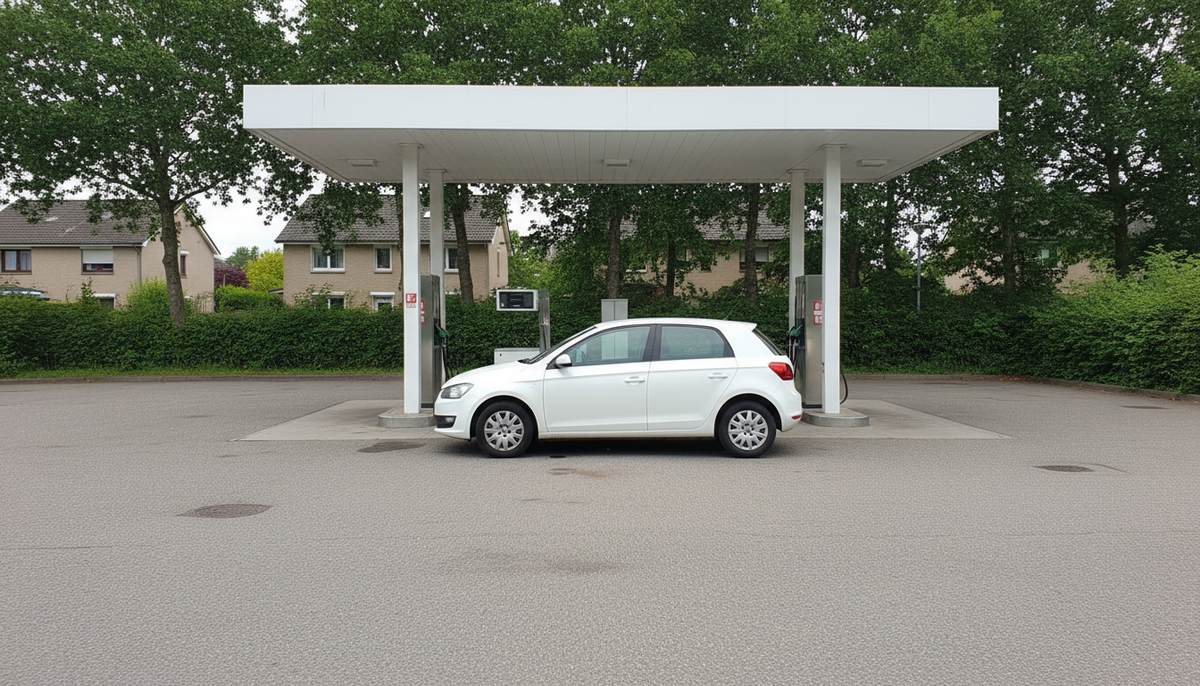
The reason this page sits on a site about minimum coverage is simple: the cheapest legal policy is always cheaper than being uninsured, and the gap is much wider than the fine suggests.
The statutory penalty
Vehicle Code section 16028 requires evidence of financial responsibility and section 16029 provides the penalties for failing to comply. The section sets out a base fine range, with a higher range for a repeat violation within a defined period, and it also addresses the possibility of a vehicle being impounded.
We are not going to print dollar amounts here. Statutory fines are subject to penalty assessments that increase the actual amount considerably beyond the base figure, and the totals change. Read the current text of the section, or ask the court, rather than relying on a number from a web page.
The costs that are larger than the fine
What California will not let a carrier charge you for
You have almost certainly read that a lapse follows your pricing for years. That is written for other states. Insurance Code section 1861.02(c) says the absence of prior automobile insurance coverage, in and of itself, cannot be a criterion for your rate, your premium, or whether you are insurable at all. So in California the cost of a gap is not a surcharge on the next policy — it is everything below, and the third one is the one that ends people.
The registration consequence
California operates an electronic reporting system through which insurers report coverage to the DMV, and a registered vehicle without insurance on record can face registration consequences. That is a separate track from the citation, with its own process for resolving it. Check with the DMV directly about your specific situation.
The accident that happens while uninsured
The worst version. An at-fault accident while uninsured means the entire claim — every dollar of injury and property damage — is yours, with no insurer paying and no insurer defending. There is no limit involved because there is no policy.
The filing requirement
Depending on what happened, a driver may end up needing an SR-22 filing to restore or maintain driving privileges, which narrows the carriers available and affects pricing for the duration.
Why minimum coverage beats uninsured, always
Put the two side by side. A minimum-limits policy costs a monthly premium and delivers legal compliance, an insurer paying claims up to the limits, and an insurer defending claims against you.
Readers who want the paperwork side can follow the guide to insurance for uninsured drivers, which lists what the DMV and the carrier each need.
Being uninsured delivers none of that and creates a liability that follows you. There is no version of the arithmetic where uninsured wins, and we say this as people who genuinely believe minimum coverage is the right call for some of our callers.
If you are uninsured right now
- Get covered today, at whatever level you can sustain. Every day the gap grows.
- Deal with the registration question separately with the DMV.
- Deal with any citation through the court process.
- Set up automatic payment so it does not happen again.
Getting insured is usually faster than people expect, and it is the step that stops the clock on everything else.
Get this quoted for your situation
Free quotes from multiple carriers, prepared by a licensed California agent. Two minutes, no obligation.
Get My Free QuoteMore of what callers ask
How much is the fine for driving without insurance in California?
Vehicle Code section 16029 sets out the penalty ranges, and the actual amount owed is increased by penalty assessments. Read the current statute or ask the court rather than relying on a figure from a website, since the totals change.
Can my car be impounded for having no insurance?
Section 16029 addresses impoundment among its provisions. Whether it applies depends on the circumstances, so treat it as a real possibility rather than a certainty and check the current statute text.
Is the fine the main cost of being uninsured?
No. The larger costs are the registration consequences and the exposure if an accident happens while uninsured — including a possible license suspension of up to four years after an uninsured collision, whoever was at fault. What it does not cost you in California is a surcharge on your next policy for the gap itself.